Tuina
Medical bodywork on channels and anatomy — not a spa massage
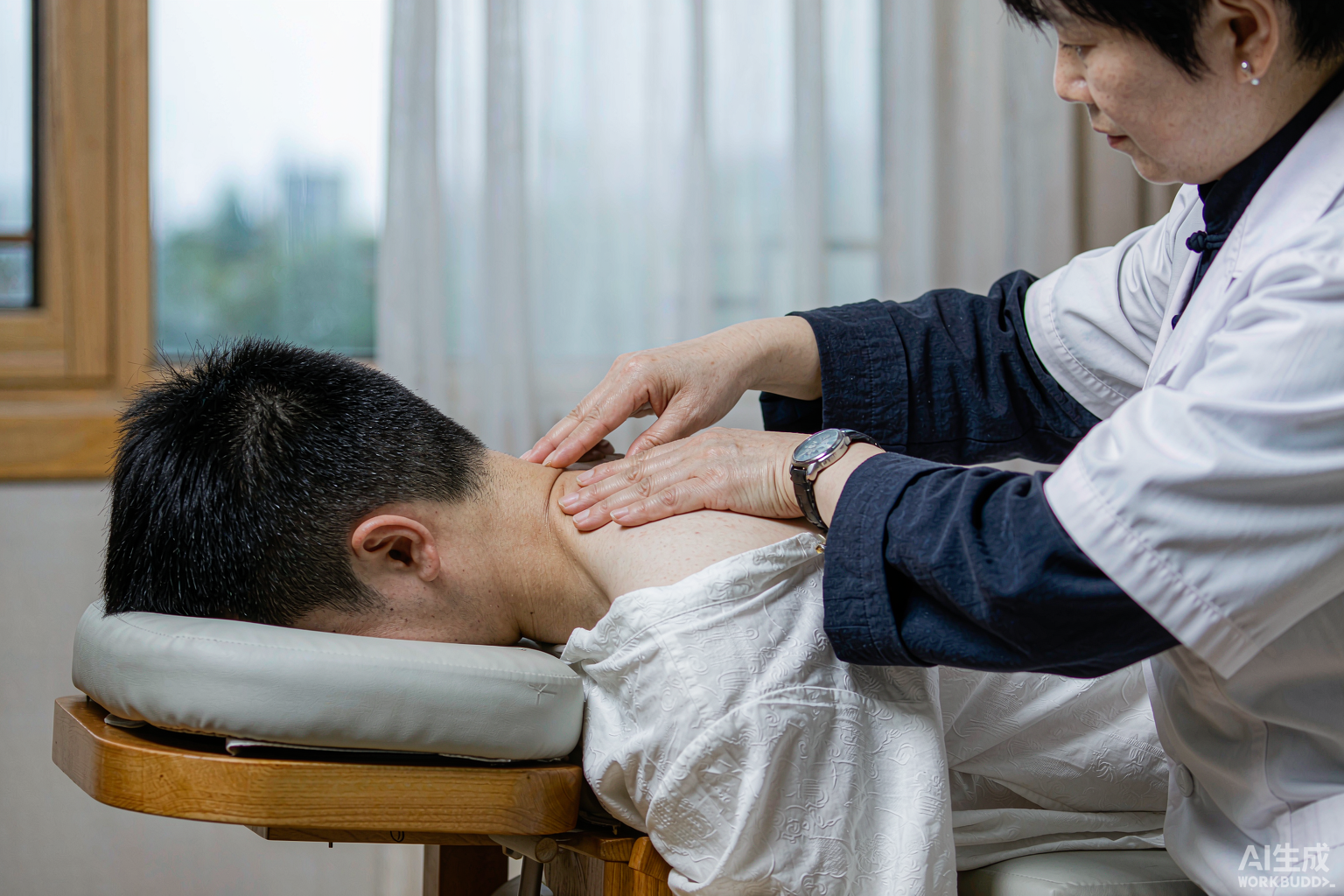
1. Tuina versus massage
Tuina is a billable medical procedure in China: a physician first performs a clinical assessment (history, palpation, imaging if needed), then applies release or mobilisation techniques according to the diagnosis, and finishes with aftercare and home exercises.
Spa massage aims at relaxation and requires no diagnosis. For neck and back problems choose a hospital tuina department; choose a spa only for relaxation. The licensing gap matters.
2. What it is commonly used for
Musculoskeletal conditions dominate tuina clinics:
Acute trauma, suspected fractures and severe osteoporosis are contraindications or need careful evaluation — exactly why “diagnose first, treat second” matters.
- Cervical spondylosis, frozen shoulder, lumbar disc herniation (conservative)
- Stiff neck and acute lumbar sprain
- Sports injuries and chronic strain
- Paediatric tuina: digestion, sleeplessness (a specialist track)
3. What a session looks like
Flow: history and examination → diagnosis → manual treatment (rolling, pressing, mobilisation) → post-treatment assessment and home-programme advice.
Aching during technique is normal; radiating sharp pain or growing numbness means stop immediately. Many hospitals follow tuina with traction, physiotherapy or acupuncture.
4. Credentials and safety
Hospital tuina is performed by licensed TCM physicians or rehabilitation therapists; credentials are published on hospital websites. “Bone-setting” mobilisations carry higher risk than soft-tissue work and must follow imaging that rules out contraindications.
Forceful neck-cracking outside clinics is not medical tuina — unsafe mobilisation has caused vascular and nerve injuries in case reports. Never try it in unlicensed venues.
5. Cost and language
At Grade 3A hospitals a session commonly costs 100–300 RMB; expert physicians and mobilisation techniques cost more. Paediatric tuina is often sold by course.
Hands-on treatment depends little on language (talk concentrates at first visit), but the history still deserves an international-department interpreter.
Bệnh viện tiêu biểu
Longhua Hospital
Thượng Hải
Shanghai TCM university hospital; its tuina department focuses on conservative care of spine-related conditions
Xem hồ sơ bệnh việnGuangdong Provincial Hospital of Chinese Medicine
Quảng Châu
Large tuina department with mature “tuina + acupuncture” protocols for neck-shoulder-back pain
Xem hồ sơ bệnh việnĐọc thêm